Highland Horizons Under a Thousand Stars
Tonight we explore stargazing spots at roadside overlooks in the Scottish Highlands, celebrating effortless pull‑ins where the wind sings, horizons open wide, and darkness feels ancient. Expect practical guidance, heartfelt stories, and safety tips for savoring constellations, the Milky Way, and occasional auroras from lay‑bys and viewpoints without long hikes. Keep a thermos handy, dim your lights, and join our community in sharing favorite overlooks, weather wins, and roadside revelations so others can plan nights of wonder from the comfort and warmth of a parked car.

How to Read the Highland Night Sky

Northern latitudes reward patient eyes. At these coasts and corries, stars shine through wind-scrubbed air, and the arc of the Milky Way stretches like a silver bridge over peat and loch. Learn how astronomical darkness changes with the seasons, why coastal breezes can clear stubborn clouds, and where to stand beside your car to lower horizons and widen your field. With a little practice, you will recognize wayfinders like Polaris, Cassiopeia, and Cygnus, making every roadside overlook feel like a familiar observatory.

Roadside Overlooks Worth the Drive

{{SECTION_SUBTITLE}}
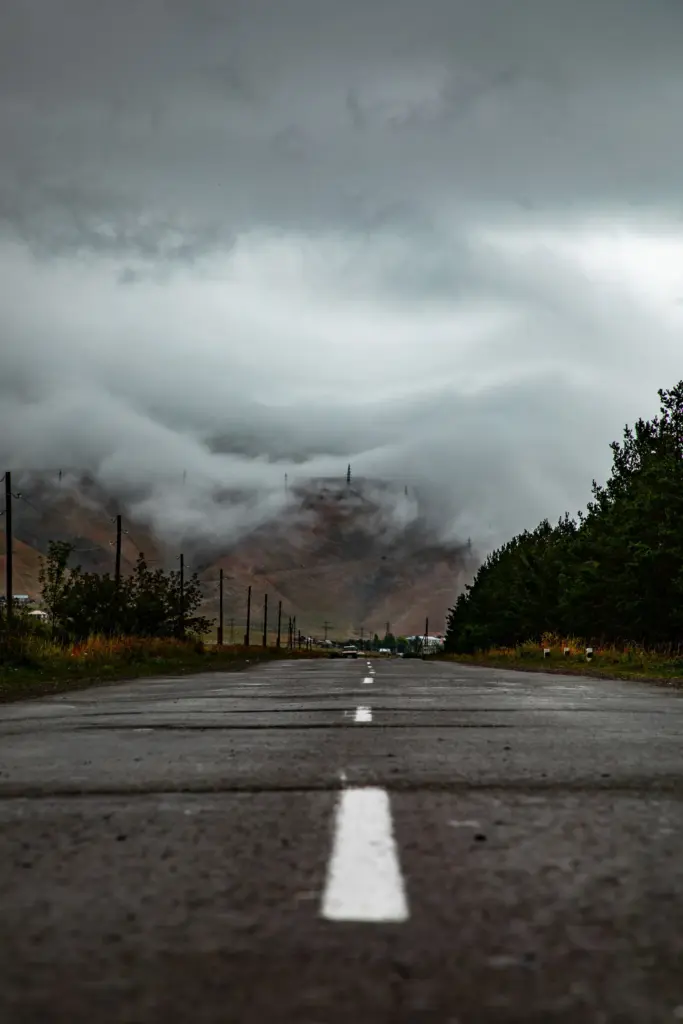
Bealach na Bà Viewpoint, Applecross
High above the western sea, the pass rewards patient drivers with a balcony of rock and wind. Park in designated spaces, mind steep drops, and brace for gusts that scour haze from the stars. On moonless nights the Milky Way hangs like a banner over distant islands, while moderate geomagnetic nights can paint a quiet emerald fringe to the north. Bring layers, a sturdy tripod, and warm drinks; the air can bite, yet the sky feels astonishingly close.

Kylesku Bridge and Loch Glendhu Lay‑bys

Curving gracefully over tidal waters, the bridge area offers several small pull‑ins with cinematic views. Choose a lay‑by well away from the span, switch off interior lights, and listen to the hush between lorry passes. Dark slopes funnel reflections across the loch, doubling Orion’s glitter in winter or framing the Milky Way’s glow in autumn. Watch for wildlife near the verge, share space courteously with night fishermen, and let the north-facing vistas keep hope alive for auroral whispers.

Weather, Wind, and When to Go

Reading Forecasts Like a Local

Blend multiple sources rather than trusting one icon. Cross‑reference national forecasts with mountain outlooks to sense wind directions that sweep clouds from specific passes. If westerlies dominate, eastern overlooks may hold clearer skies; if calm prevails, coastal air can still sparkle. Watch humidity dips near sunset, a sign that haze might collapse. Above all, commit to nowcasting: look up, step outside the car, and decide based on the living sky rather than yesterday’s predictions.

Dealing With Dew, Frost, and Midges

Cold, still nights invite dew and frost onto optics, softening stars into halos. Pack lens warmers, spare microfiber cloths, and silica gel for the boot. In shoulder seasons, midges may rise at dusk; a light breeze or head net saves sanity. Keep spare gloves, hand warmers, and insulated flasks in a crate for fast access. Crack windows to manage condensation, and run the heater briefly between sequences so comfort and concentration remain steady beneath patient constellations.

Moonlight: Friend or Foe?

A dark, moonless sky reveals the Milky Way’s dust lanes, yet modest moonlight turns ridgelines, ruins, and lochs into sculpted companions for stars. Use a lunar calendar to plan; first quarter adds gentle texture, while full moon floods scenes with silver. For deep‑sky imaging, favor moonless hours; for sweeping landscapes, embrace lunar glow. Either way, angle your car and tripod to block stray beams, and let the changing sky dictate which wonder you chase tonight.

Gear You Can Pack in the Boot

Roadside stargazing favors nimble kits that set up in minutes and stow safely when showers sweep through. Prioritize stability, warm layers, and simple tools that make darkness welcoming. A sturdy tripod, fast wide‑angle lens, red‑light headlamp, reflective vest, and a charged power bank go far. Add paper maps for when reception fades, plus snacks that lift spirits at 2 a.m. Keep everything organized in labeled crates, so you photograph, watch, or simply breathe without rummaging.

Etiquette, Access, and Staying Legal

Shared roads demand gentle manners. Use designated parking spaces or clear lay‑bys, leaving passing places open for locals and late‑night deliveries. Close gates you find closed, and keep voices calm under sleeping windows. Dim screens and headlights; angle your car so beams do not spill into the wild or another watcher’s frame. Pack out every crumb. Respect historical sites and fragile verges. Your courtesy keeps these overlooks welcoming, proving that wonder and responsibility are perfect traveling companions.

Stories From the Verge of the Wild

Sometimes the best guide is a memory that still warms cold hands. These short vignettes come from nights when clouds obeyed, auroras flirted, or patience felt like a prayer. Read them as invitations to linger, to breathe between gusts, to smile at headlight pauses. Then tell us yours in the comments or a quick message, so a future traveler might choose the right lay‑by, wait five more minutes, and witness something quietly life‑stretching above dark water.

A Green Glow Over Loch Clair

We pulled into a tiny turnout as drizzle surrendered to stars. North grew brighter than reason, and camera previews whispered green. Then, like curtains shaken gently, aurora lifted above Liathach, reflecting on the loch with impossible grace. A fisherman waved, we dimmed our lamps, and silence passed between strangers who understood luck. Ten minutes later, clouds rolled back. We drove away giddy, jackets damp, certain the Highlands had just tucked a secret into our pockets.

Orion Rising Above Glencoe’s Three Sisters

A frost‑rimmed lay‑by held three cars and one shared thermos. Breath turned to crystal as Orion climbed between dark buttresses, Rigel glittering over the road like a beacon. Someone whispered a childhood story about the hunter and the hare, and laughter dissolved the cold. We traded settings, swapped gloves, and framed red streaks of passing headlights as living light‑painting. When the moon topped the ridge, the valley glowed pewter, and nobody reached for a radio.

Kindness at Kylesku

Wind bullied the bridge while clouds played chase. We nearly left. Then an older couple pulled in, handing over a spare flask and a tip: wait for the tide to turn, the sky often clears. It did. Stars shook loose, the north brightened, and a faint auroral band stitched the horizon. We clapped quietly, strangers stitched together by patience and tea. That night taught us the Highlands reward those who linger, listen, and share small, warm mercies.