
High Views, Open Paths: Highlands Made Welcoming
Start Here: Confidence at Altitude, Without the Climb
Understanding Grades and Surfaces
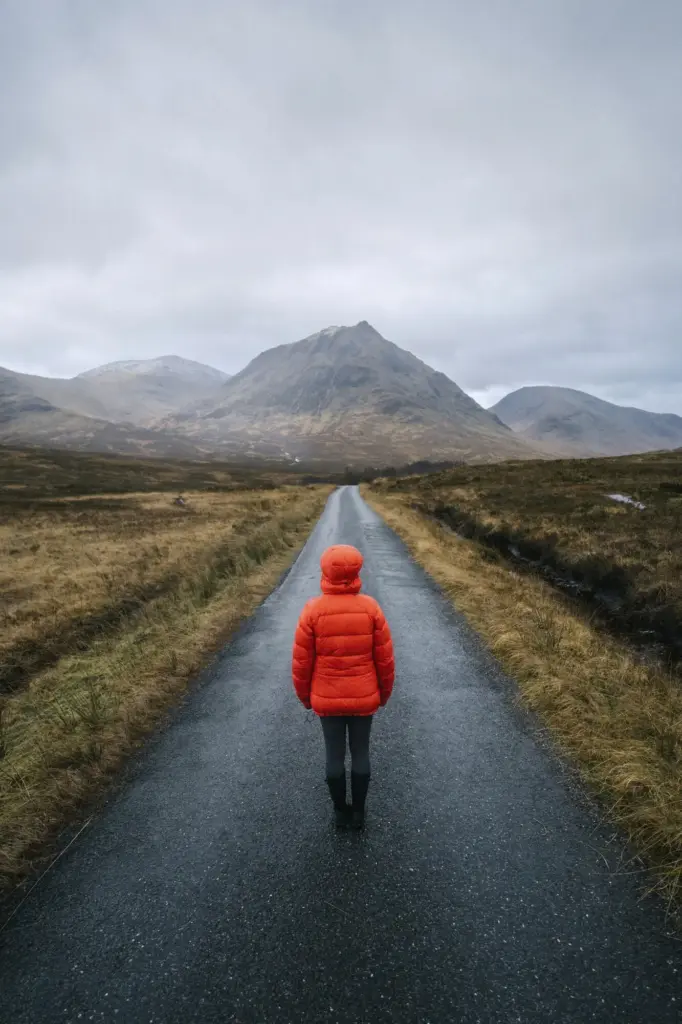
Short, step-free paths can still feel tough when surfaces are loose, cambered, or damp with mist. Look for compact gravel, tarmac, or boardwalk sections, and note any stated gradients. If you use a wheelchair or rollator, wider paths reduce stress when passing others. Bring gloves for grip, and consider low-profile ramps for tiny lips at gates. A few minutes studying maps or satellite images often prevents surprises and preserves energy for the actual view.
Parking, Toilets, and Time of Day
Arriving early secures close-in blue-badge bays and quieter paths, which helps when maneuvering or resting frequently. Many Highland stops signpost accessible toilets, but hours can vary, especially in winter. Keep a backup stop within a short drive, and download offline details in case reception drops. When sunset crowds gather, position your vehicle for an easy exit. Comfort grows from small wins: warm facilities nearby, enough space to deploy ramps, and no clock-induced rush.
Weather Windows and Backup Plans
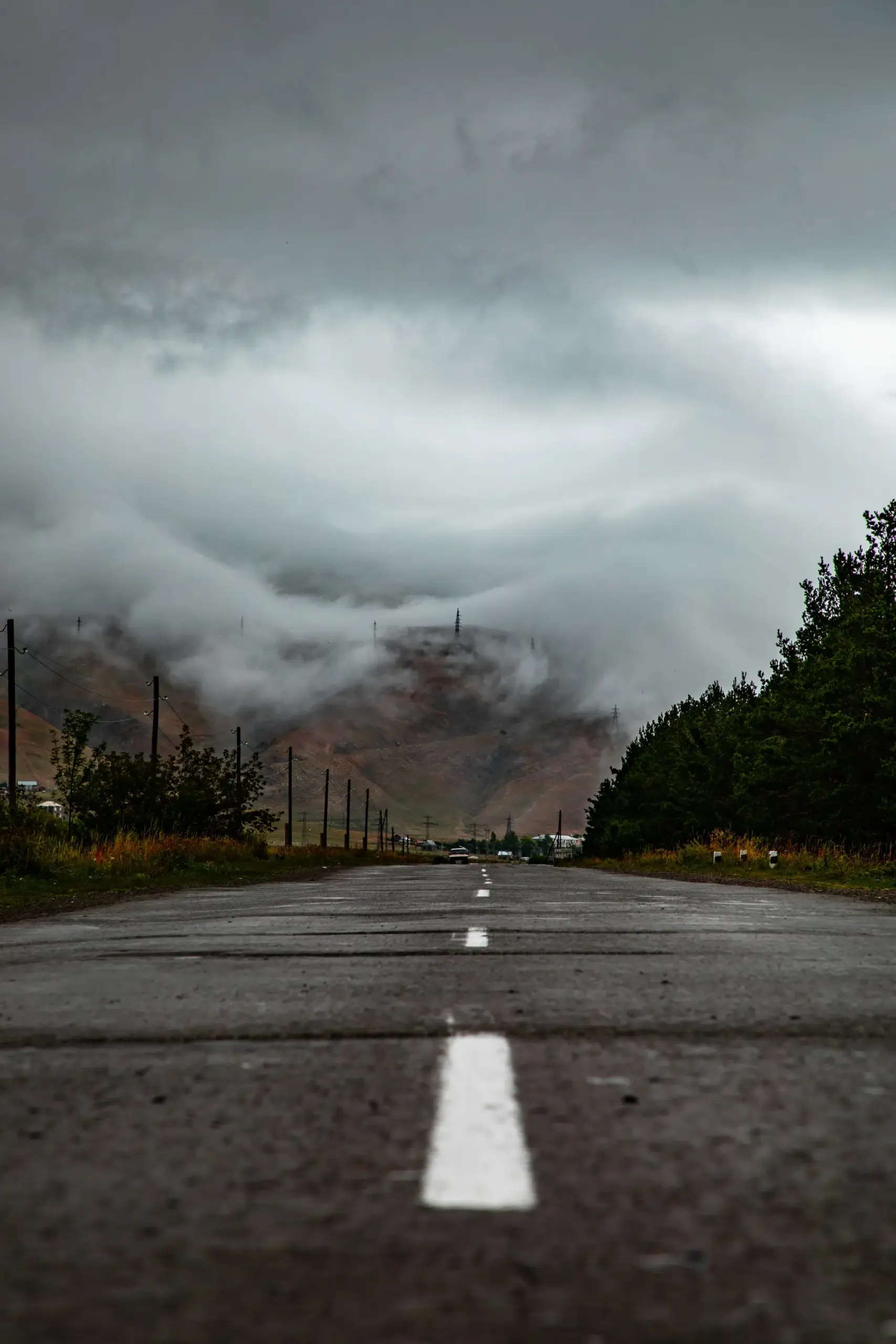
Clouds transform in minutes, and winds funnel through passes with surprising intensity. Build an A–B–C plan: a gondola or visitor center deck for wild days, a roadside panorama for brief dry spells, and a gentle lochside stop if energy dips. Pack a light tarp or umbrella clamp for showers, and keep a thermos for morale. The Highlands rewards patience; often, waiting twenty minutes turns fog into drama and hands you a luminous, unforgettable break in the sky.
Five Panoramas You Can Reach on Wheels or With Minimal Steps
Nevis Range Gondola, Aonach Mòr
Queen’s View, Loch Tummel
Roadside Rapture: Roll-In Vistas from the Car Door
Jenny’s First Peak-Level Picnic
Ahmed and Moira Chase the Light at Queen’s View
A Veteran’s Quiet Morning Above Glencoe
Packing Smart for Highland Weather and Comfort